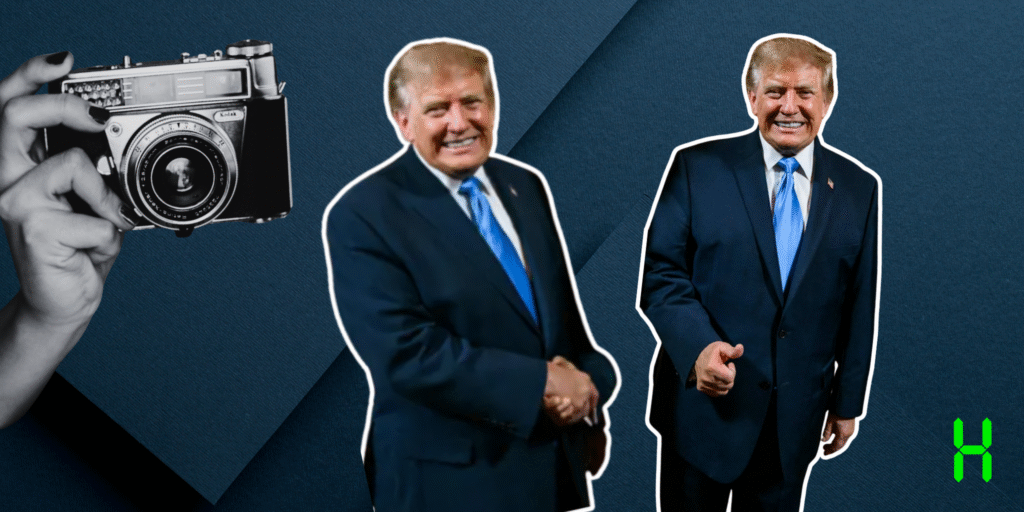
Photos of the President of the United States of America (USA), Donald Trump, with the Prime Minister of Kosovo, Albin Kurti, the Prime Minister of Albania, Edi Rama, the Prime Minister of North Macedonia, Christian Mickoski, and the President of Serbia, Aleksandar Vuiqi., published or distributed on October 2, 2026, have attracted attention due to the strong similarity in the way Trump appears.
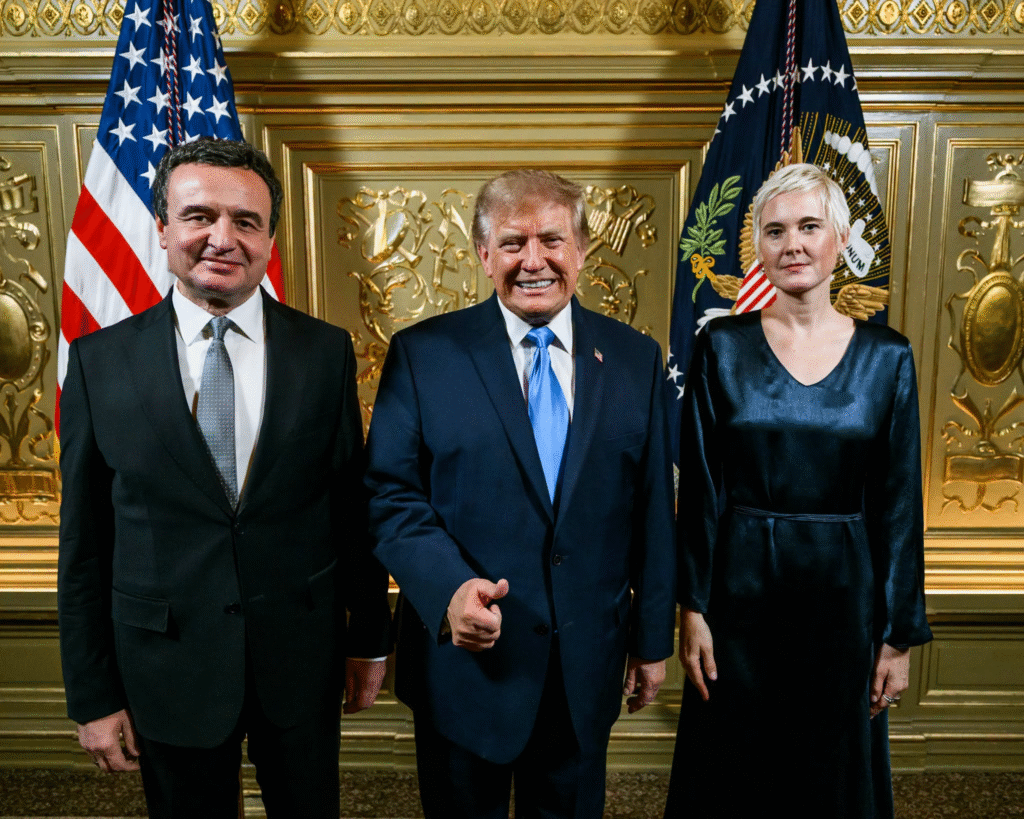
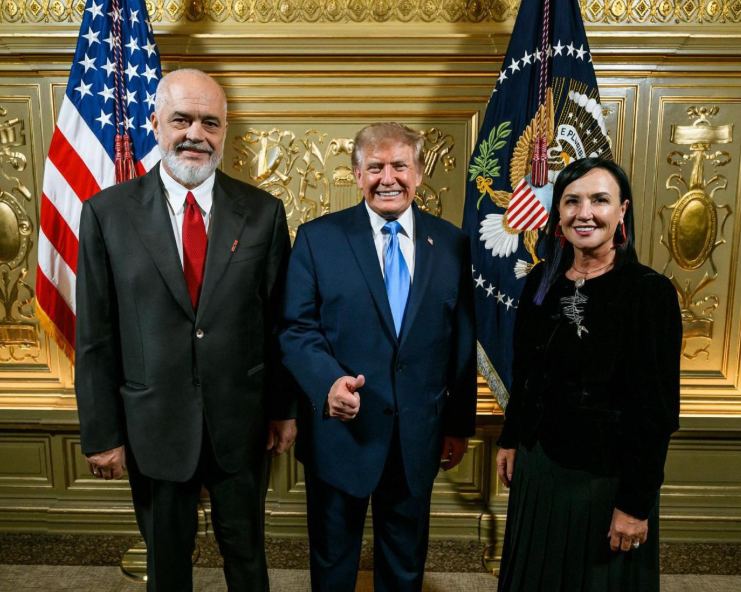
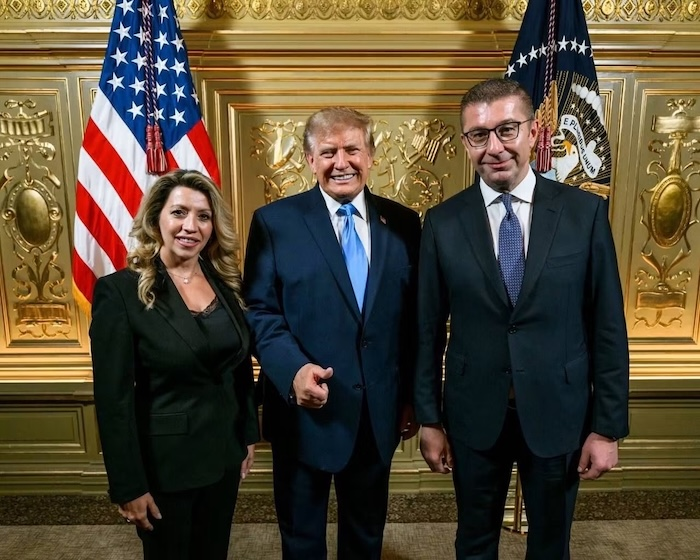
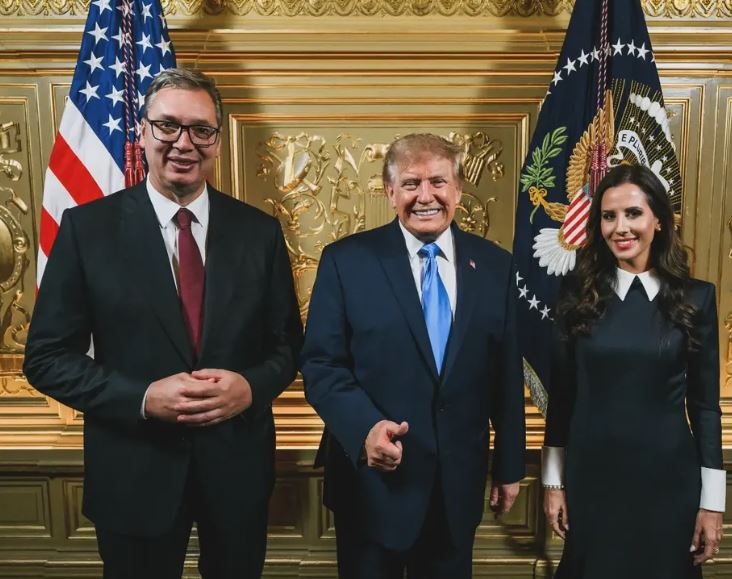
In a comparison, it is noticeable that in the photos with Kurti, Rama, Mickoski and Vučić, Trump stands in almost the same body position. In these photos, he has a similar facial expression and his right hand is positioned in a similar way, with the thumb raised.
The people who stand next to him change, while Trump's position remains almost identical.
The photos were taken during a reception hosted by Trump in New York on September 22, as part of the UN General Assembly's High-Level Week.
Two types of Trump poses in published photos
So far, in the photos published from this reception, two main forms of Trump's posing can be distinguished.
In the first group are photographs where Trump appears in an almost identical body position, with his right hand raised and thumb up.
The second group includes photos of Trump shaking hands with leaders around him. This can be seen in the photo with Georgian Prime Minister Irakli Kobakhidze, as well as in one of the photos with Pakistani Prime Minister Shehbaz Sharif.
On October 2, Georgia Today published information from the Georgian Government Administration that Kobakhidze had attended a reception hosted by Trump in New York on September 22. Along with the announcement, a photo was also published showing Trump and Kobakhidze shaking hands.
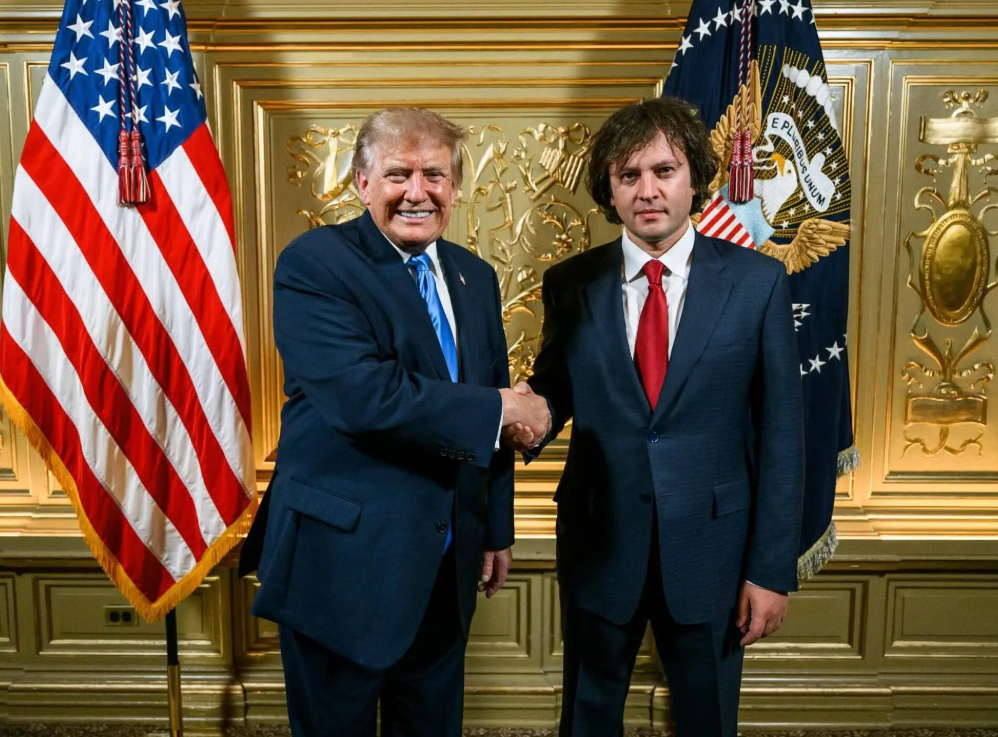
Screenshot from the article on “GeorgiaToday.ge”
Another example is the photo of Trump with Pakistan's Prime Minister, Shehbaz Sharif. Dawn released two photos from their meeting during a reception hosted by Trump in New York. In one photo, Trump and Sharif are seen posing, with the US president giving a thumbs up, while in the other photo, the two leaders are seen shaking hands.
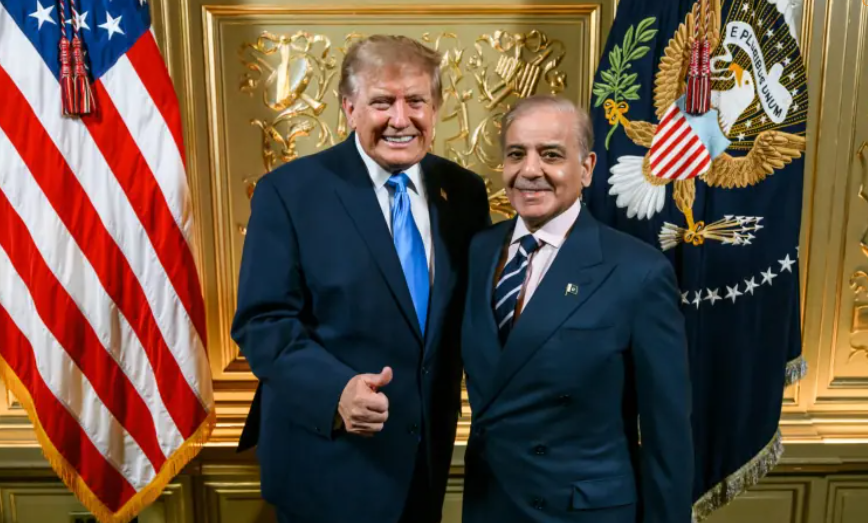
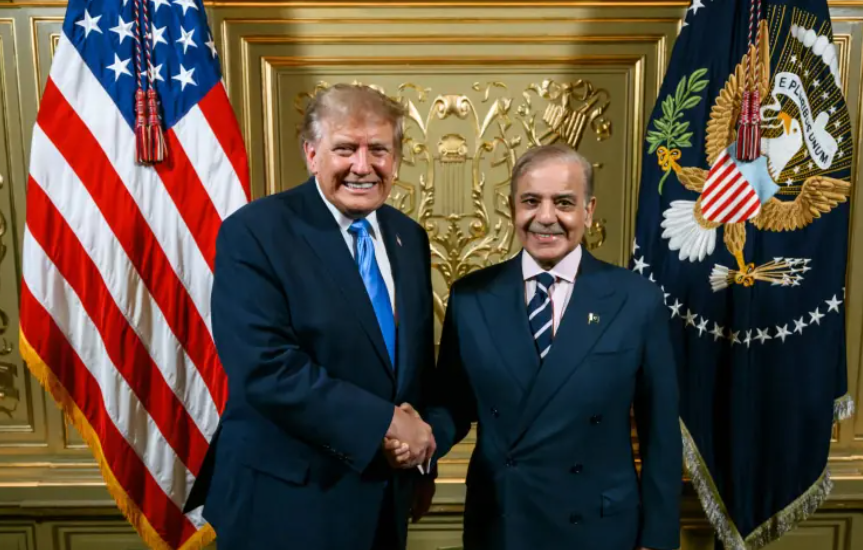
Screenshot from the “Dawn.com” article
These materials show that, during this reception, at least two distinct types of Trump's pose were published. One where he stands next to the leader with a thumbs up, and the other where he appears shaking hands with him.
The photos do not appear to be created with AI.
Photo analysis through artificial intelligence detection platform "HiveModeration" does not indicate that these images are AI-generated. The analysis results do not identify the photos as AI-generated content.
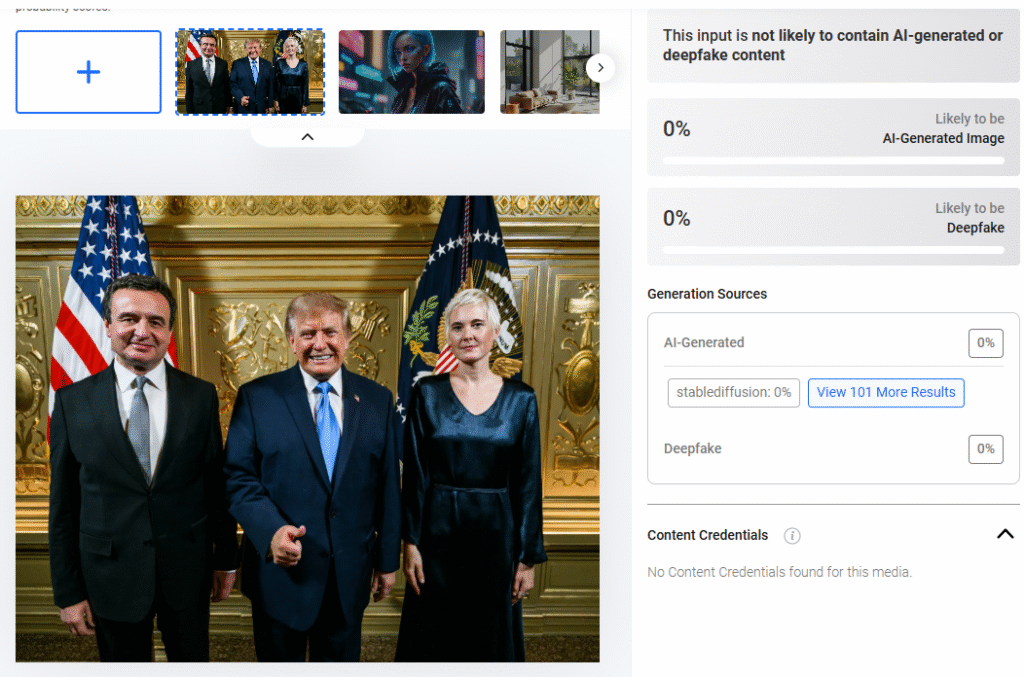
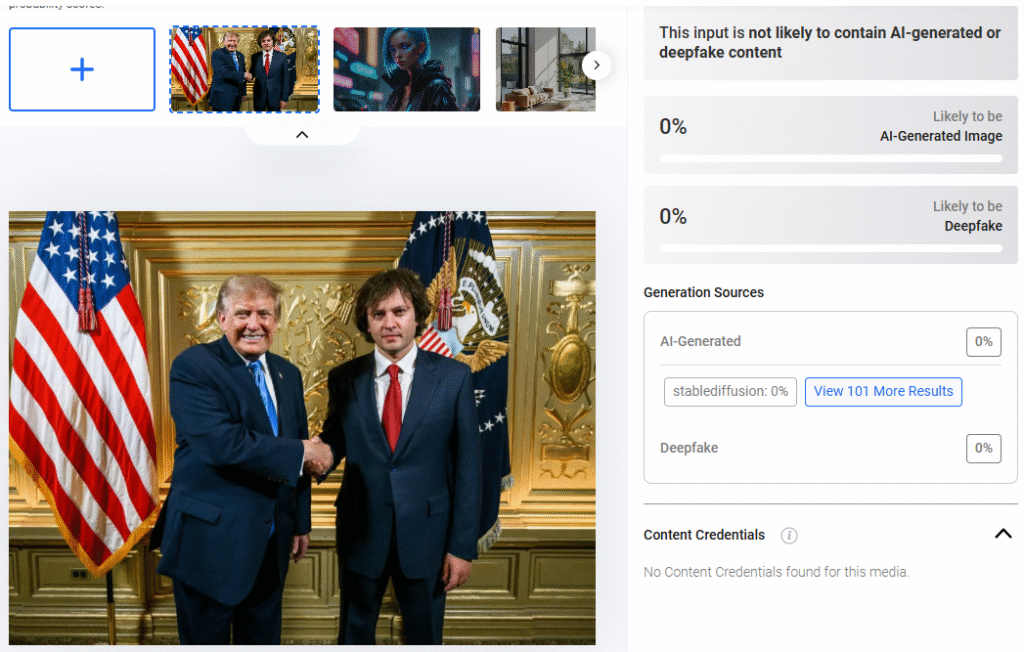
This means that the apparent similarity in Trump's positioning in the photos with the Balkan leaders is not explained, based on this analysis, by the fact that the photos were created with artificial intelligence.
What did the Romanian Presidency clarify regarding the photos?
The Romanian Presidential Administration reacted on October 2 and clarified that the photo of Romanian President Nicusor Dan with Trump is real. In a statement published by AGERPRESThe Romanian presidency said the photo was taken by the official White House photographer during a reception hosted by Trump in New York.
In the same clarification, the Romanian Presidency also provided an explanation for the similarity of the cadres.
According to her, only the official White House photographer had access to this event, while the photographs were processed and distributed simultaneously to the representative offices of the participating countries.
So, according to the explanation of the Romanian Presidency, the similarity of the frames published by different leaders is related to the way the photographs from this event were taken and distributed.
Thus, the photos with the Balkan leaders have a noticeable similarity in Trump's positioning, especially in the thumbs-up pose. At the same time, other photos from the reception show a different positioning of him, the one with a handshake.
While analysis through HiveModeration does not identify photos as being created with AI.
The Romanian Presidency has provided an institutional explanation for the similarity of the frames, linking it to the way images from the event were photographed and distributed.