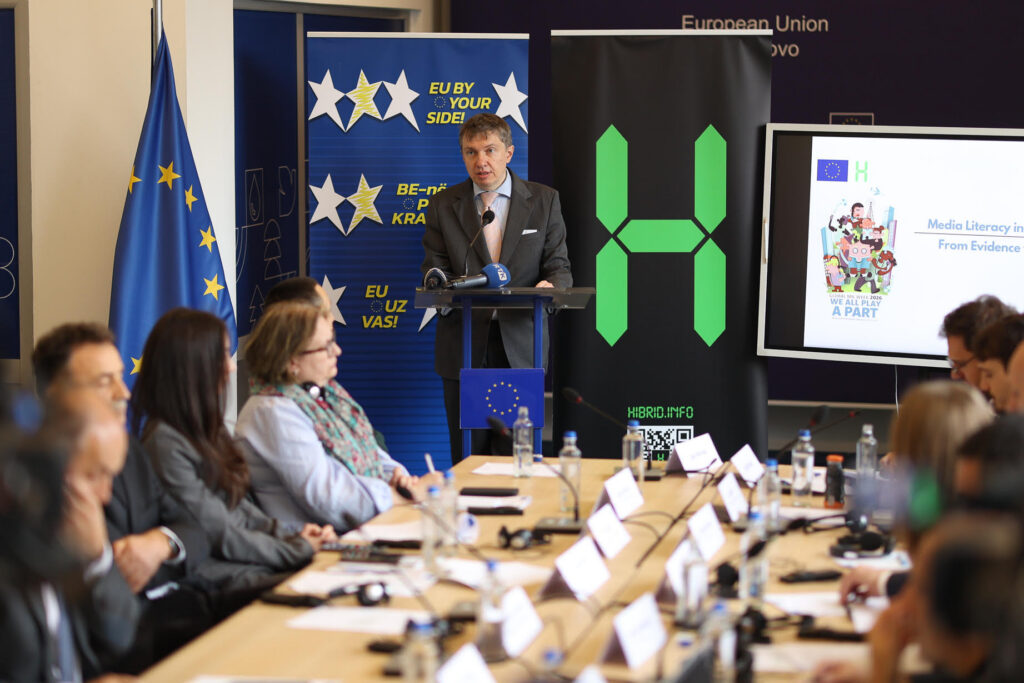

Pristina, 29 October 2026 – The sustainable inclusion of media literacy in the Kosovo education system requires the identification of needs, the preparation of teachers and cooperation between institutions and actors contributing to this field. These were some of the main issues addressed at the conference “Media Literacy in Education: From Evidence to Action”, which brought together representatives of public institutions, international organizations, academia and civil society in Kosovo.
The discussion focused on the current state of media education in the country, the needs of the education system, the contribution of relevant stakeholders, and institutional coordination, with the aim of translating these issues into concrete steps to advance media education in schools.
At the opening of the conference, Xhemajl Avdyli, from Hibrid.info, presented the four main dimensions of the discussion: analysis of the current situation, assessment of needs, identification of the contribution of competent actors, and institutional coordination.
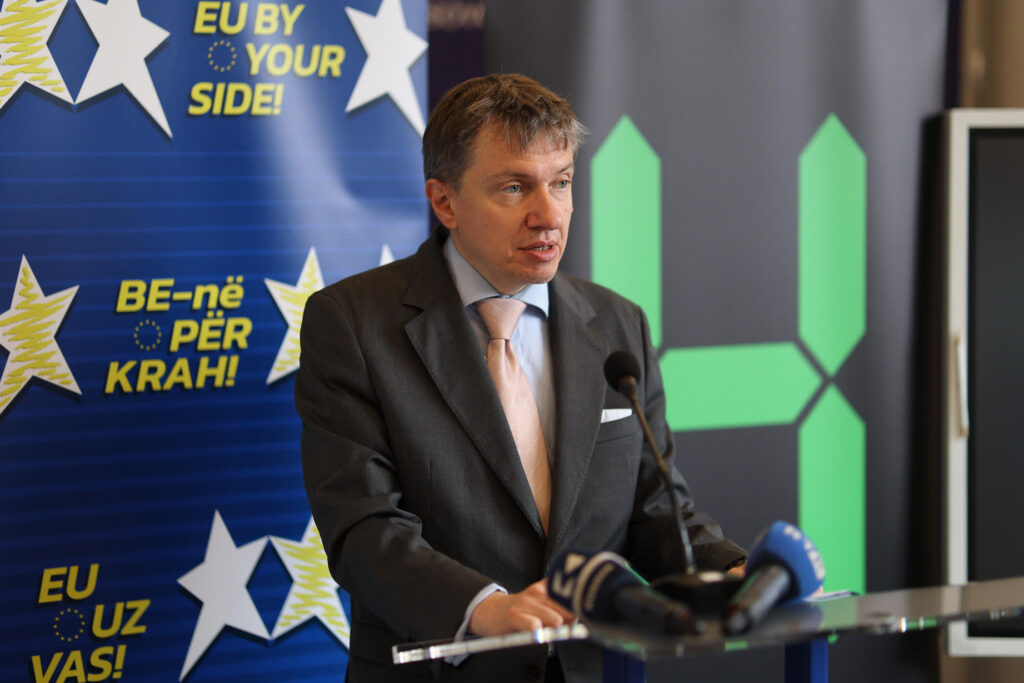
Further, before the start of the discussion, the Head of the EU Political Department in Kosovo, Boguslaw Gertruda, emphasized the EU's support for initiatives that help young people navigate today's information environment and make informed decisions, as well as the shared goal of including media and information education in Kosovo's school curricula.
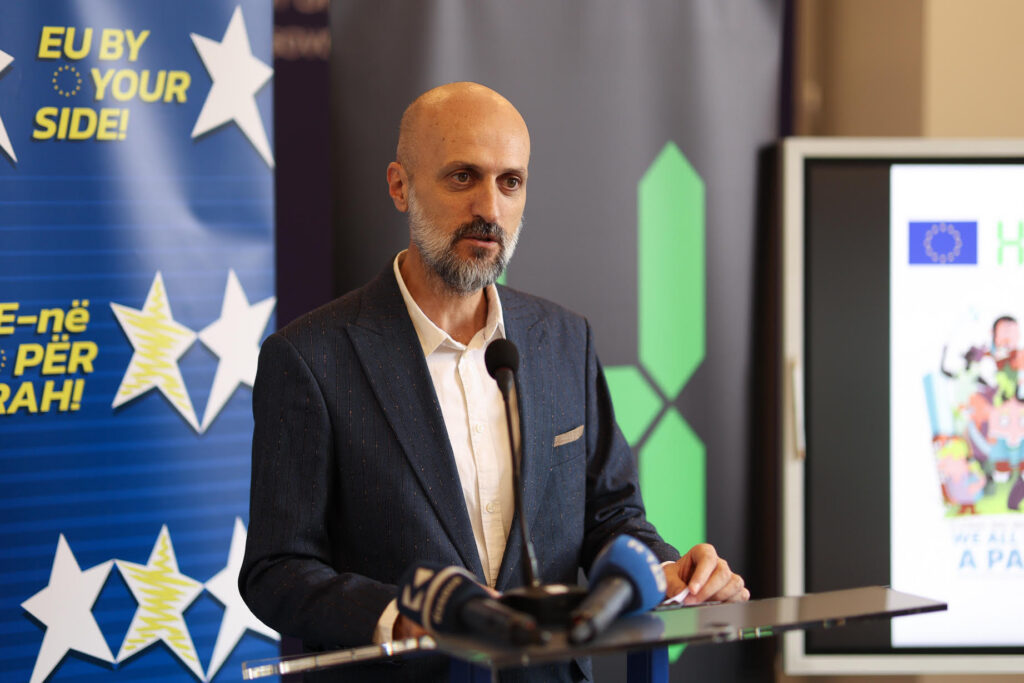
Enver Hoxhaj, chairman of the Parliamentary Committee on Education, expressed the committee's support for advancing media education, emphasizing that actions in this direction are urgent.
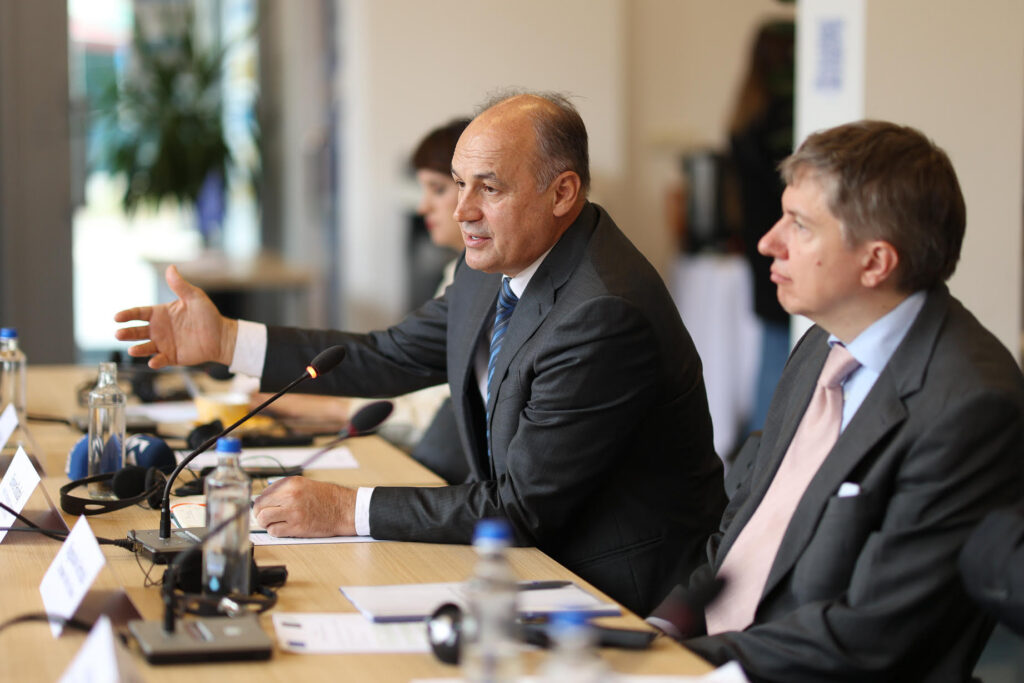
Avni Rexha, head of the Education Division at the Ministry of Education and Science (MES), spoke about the steps taken so far and the possibility of including media education in the new education strategy.
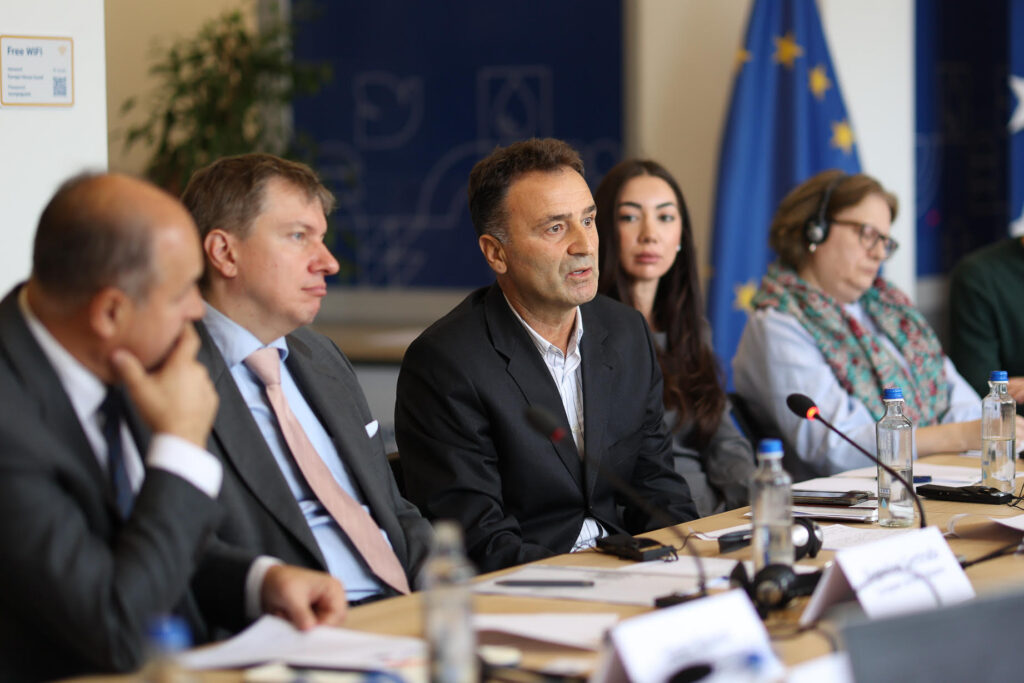
Meanwhile, Arben Hajredinaj, on behalf of the OSCE Mission in Kosovo, emphasized the need for greater engagement and expansion of media education activities throughout the country.
Part of the discussion was devoted to international experiences, as examples to be considered in the development of media education. In this context, the importance of preparing teachers to equip students with the skills to distinguish reliable information from misinformation, to verify sources and to critically analyze the content they encounter in the media and digital platforms was emphasized.
The discussion also addressed the need for a clearer assessment of the situation in schools, including student knowledge, teacher capacities and available resources. It was emphasized that cooperation between educational institutions, specialized organizations and international partners is important to ensure that existing efforts complement each other.
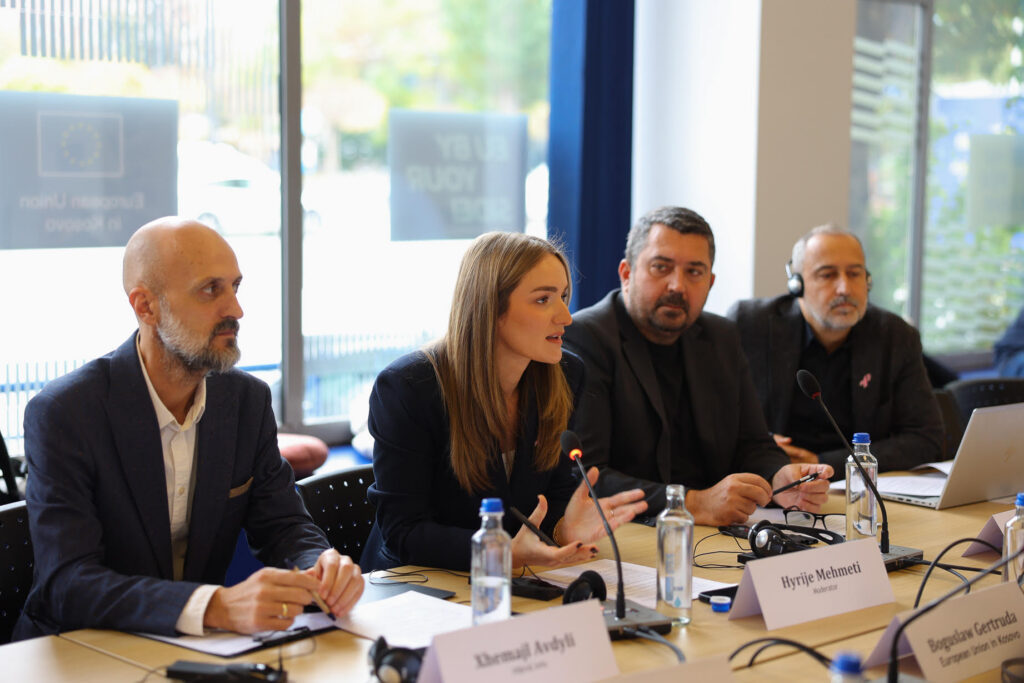
During the conference, Xhemajl Avdyli also presented the experience of Hibrid.info in implementing the European Union-supported media literacy program in Kosovo. He spoke about workshops with students and teachers that address disinformation, source verification, media bias, and critical evaluation of information on digital platforms. The program also included the engagement of students as media literacy ambassadors, to share the knowledge gained with their peers.
In conclusion, the identification of concrete priorities for 2027 was discussed, based on existing data and experiences, needs assessment and cooperation between relevant actors. The conference aimed to contribute to a more coordinated approach to media education in Kosovo, with a focus on developing critical thinking and preparing students to face the challenges of today's information environment.
The conference was organized by the European Union Office in Kosovo in partnership with Hibrid.info, within the framework of UNESCO's Global Media and Information Literacy Week 2026.