
Who should be responsible for protecting the public from disinformation in an information space where content circulates rapidly, narratives cross borders, and artificial intelligence is changing the way information is produced?
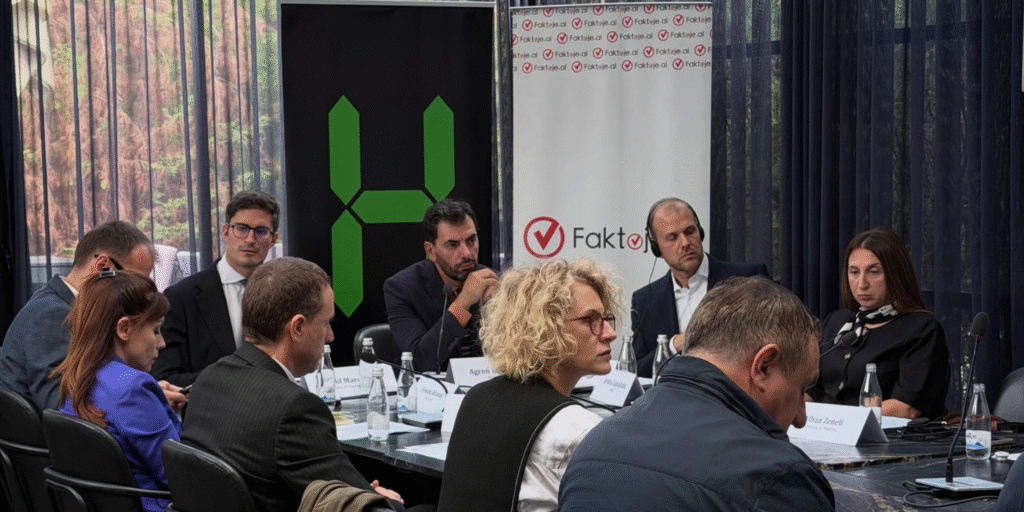
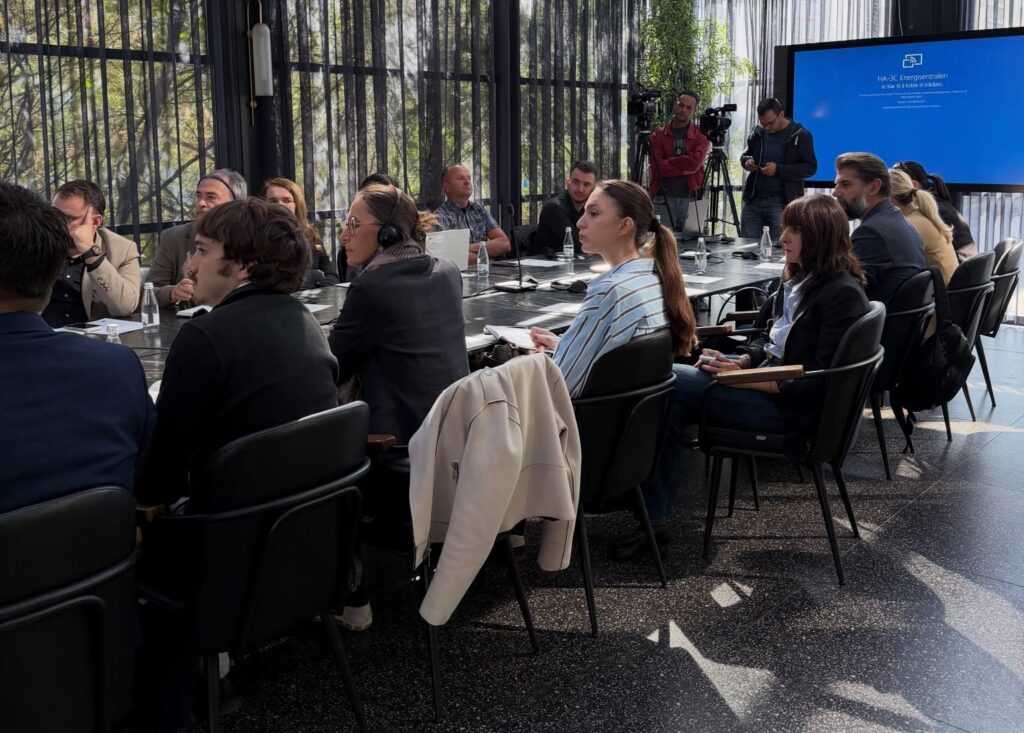
This was the question that brought together experts from Kosovo, Albania and France in Pristina, as well as representatives of institutions, media, international organizations and civil society. At the conference “Who Protects Information Integrity? / Who are the defenders of information integrity?”, the discussion focused on the shared responsibility for a more sustainable information environment and on the ways in which institutions, media, platforms, fact-checkers and academia can respond to new challenges.
The conference, held on Wednesday (September 24) in Pristina, addressed disinformation, content generated with artificial intelligence, cross-border narratives, the impact of digital platforms, and the need to align legal and institutional frameworks with European standards.
There is no single information protector
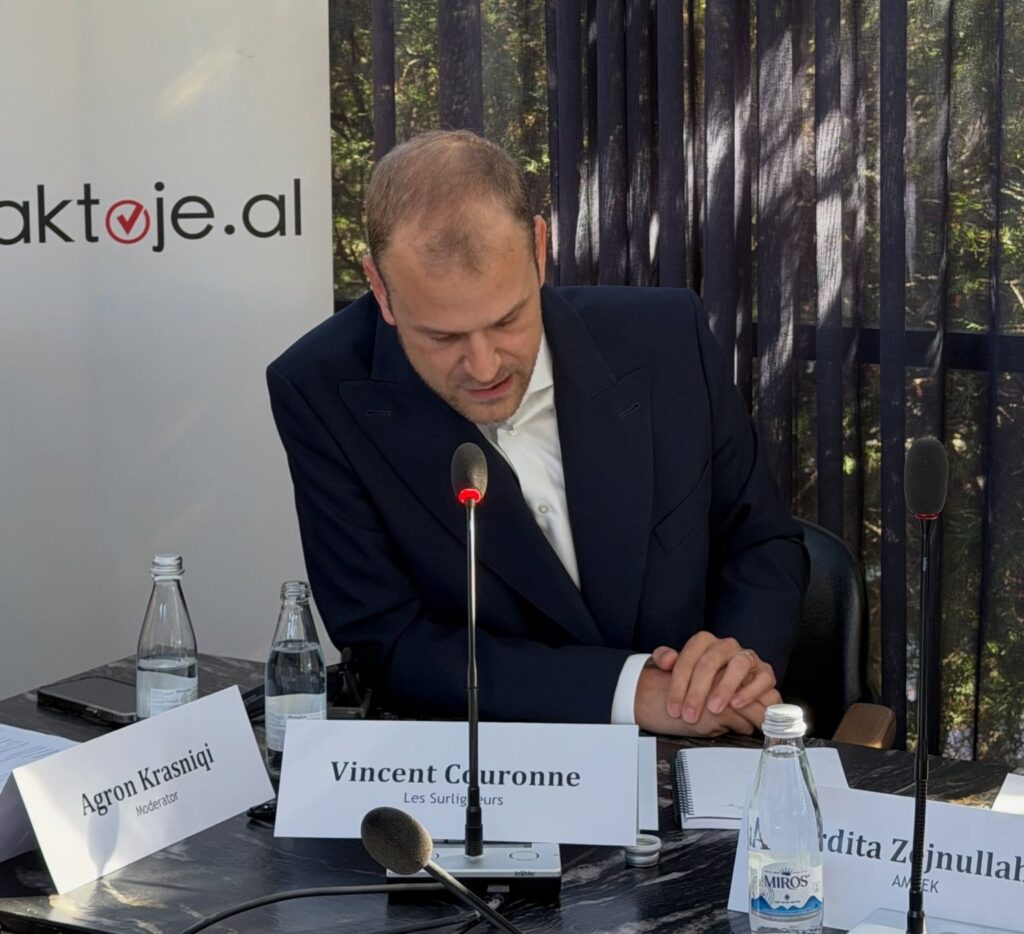
The opening speech was given by David Marchesin from the French Embassy in Pristina, while in the keynote speech, Vincent Couronne, director and co-founder of "Les Surligneurs", member of the EFCSN Board and professor at Sciences Po Saint-Germain and Sorbonne Law School, focused on shared responsibility in the era of digital platforms.
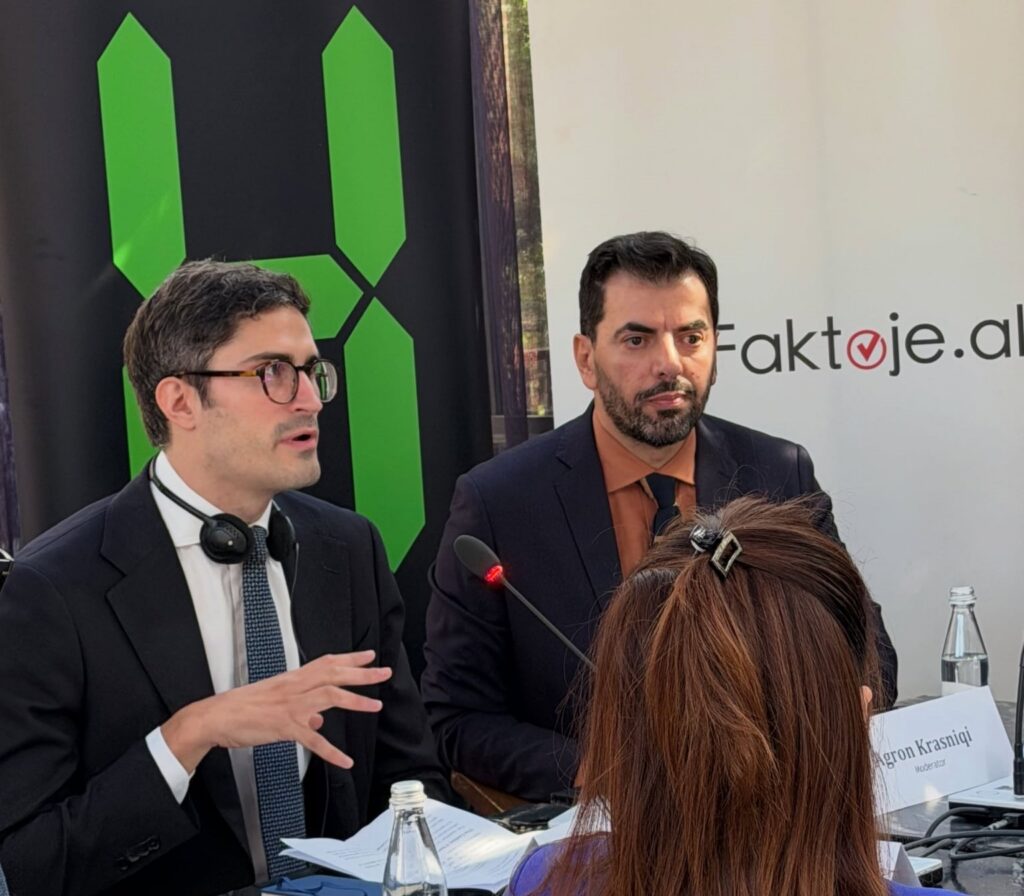
According to Couronne, the integrity of information cannot be left to digital platforms or governments alone. He stressed the need for an ecosystem where responsibilities are shared between independent authorities, media outlets, journalists, fact-checkers and civil society.
This approach was accompanied during the conference by discussions on how these actors can cooperate and how the responsibilities of each of them can be more clearly defined.
Kosovo faces platform regulation
An important part of the discussion was dedicated to the European Union Digital Services Act, DSA, and the preparation of Kosovo and countries in the region for approximation with European standards.
The conference emphasized the need to build capacity for oversight and implementation, designate responsible authorities, and guarantee their independence.
Couronne also highlighted the importance of reliable mechanisms for reporting illegal content, as well as access by verified researchers to platforms' data.
These mechanisms were addressed as part of efforts to increase the transparency of platforms and create better opportunities to understand how they operate.
Narratives that cross borders
Festim Rizanaj from hibrid.info presented the developments and trends of disinformation in Kosovo and the region, with a focus on cross-border narratives and foreign manipulation and interference in information (FIMI).
While Klodiana Kapo from Faktoje presented the developments and trends of disinformation and information manipulation in Albania.
The discussion on these developments highlighted the cross-border dimension of information challenges and the need for cooperation between organizations and institutions of the countries of the region.
Institutions and media facing new challenges
Besnik Berisha, chairman of the Independent Media Commission (IMC), addressed the regulation of audiovisual media, institutional responsibilities, and alignment with European standards.
Meanwhile, Ardita Zejnullahu, executive director of AMPEK, brought the perspective of private media, focusing on the responsibility of broadcasters and the challenges of implementing regulation in practice.
Meanwhile, Alban Zeneli from the Department of Journalism at the University of Pristina focused on media education, the education of journalists, and strengthening public resilience.
In addition to regulation and institutional accountability, the discussion also addressed strengthening professional journalism and fact-checking as part of efforts to counter manipulative content.
Artificial intelligence is changing the information environment
The focus of the conference was also the impact of artificial intelligence and AI-manipulated content.
Participants discussed the challenges these technologies pose for media, institutions, and fact-checkers, as well as the need for greater transparency and accountability from digital platforms.
In this context, media education was treated as an important element for strengthening the public's ability to distinguish reliable information from manipulative content.
From cooperation to concrete mechanisms
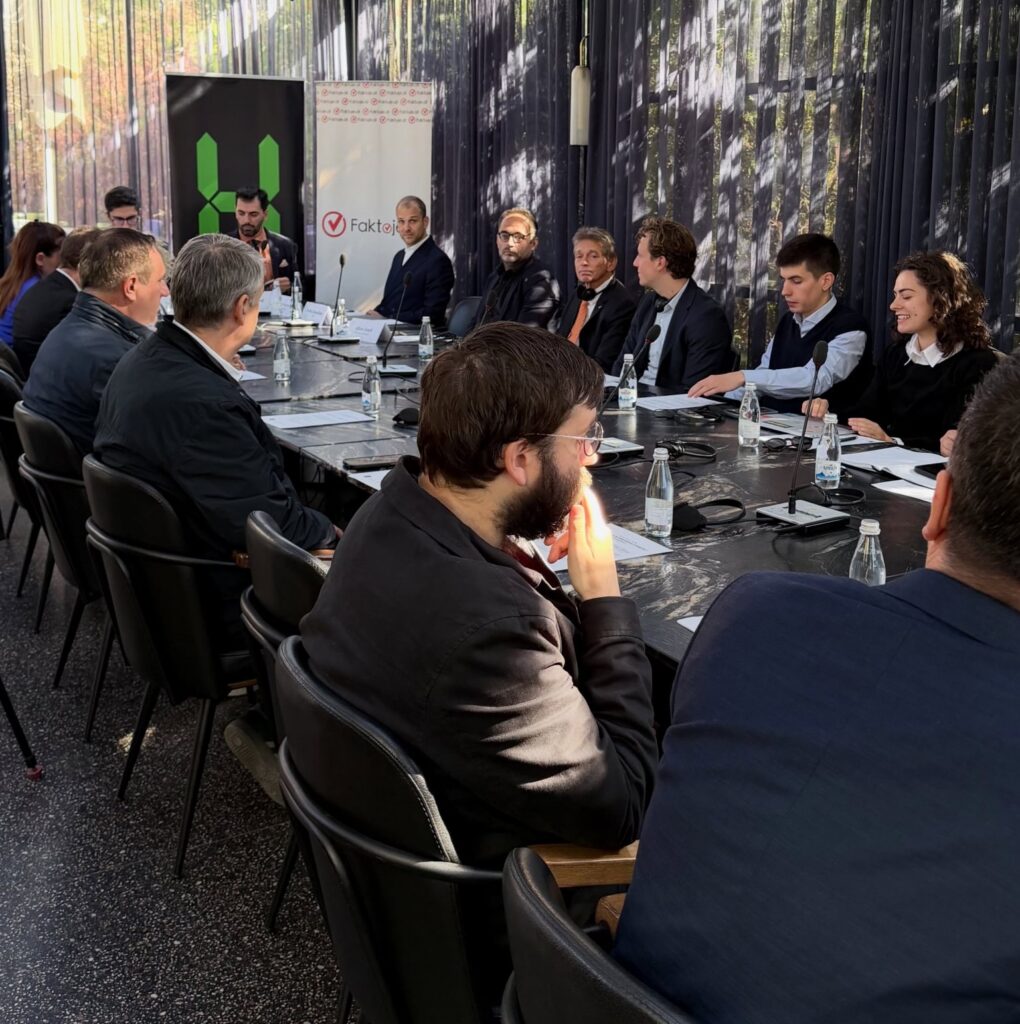
Representatives of public institutions, international organizations, the media, and civil society also participated in the discussion, bringing experiences from their work.
One of the identified needs was the creation of more concrete mechanisms for information exchange and response to new challenges in the information space, alongside a clearer division of responsibilities between actors.
In conclusion, the conference underlined that protecting the integrity of information requires transparency and accountability from platforms, independent and functional institutions, professional media, fact-checking, media education and continuous cooperation between sectors.
The discussions also emphasized the need for these principles to be translated into concrete steps, capacity building, and sustainable initiatives in Kosovo and the region.
The conference in Pristina was part of a joint Kosovo-Albania-France initiative, within which two conferences with the same theme were organized, in Tirana and Pristina. It was organized by Hibrid.info, in partnership with Faktoje and the Embassies of France in Kosovo and Albania.