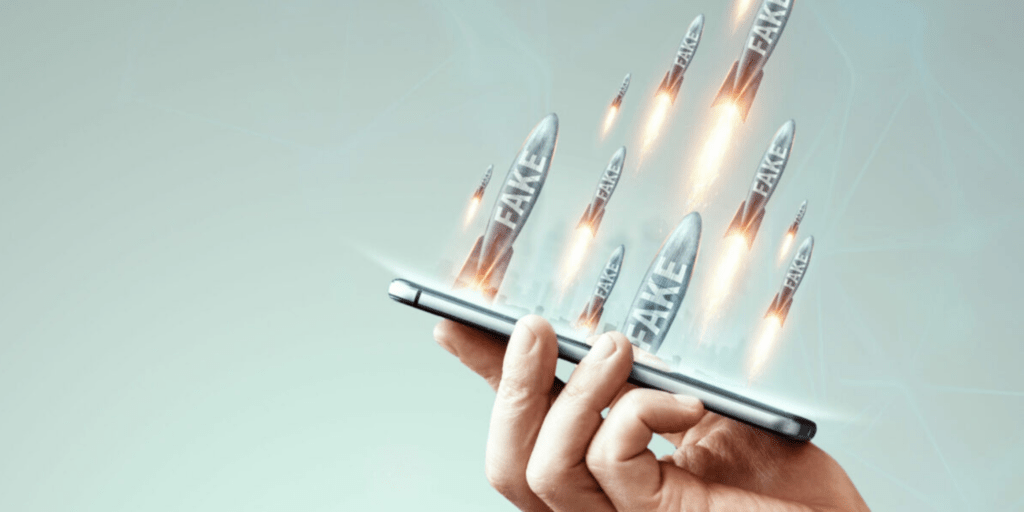

Conflicts occurring around the world create ideal conditions for misinformation to spread rapidly online. Navigating the ocean of digital information, identifying accurate information, and building resilience to disinformation are vital, especially in times of conflict and war. During these times, the intensity of propaganda, the speed of disinformation, and the impact of manipulation increase even more. In these times when social media functions as a 24/7 news hub, it can be difficult to spot disinformation.
Misattribution, which refers to photos, videos, quotes, or news headlines that are related to one event but describe a different situation, is one of the most common types of disinformation during times of war and conflict. During such times, a shared video that claims to show an actual operation you see on social media may be old or from a different location, and fabricated information and false documents about parties can spread rapidly. As we search for the information we need to resolve the uncertainty created by the crisis, we must keep in mind that emotions such as fear, sadness, and anxiety triggered by these posts can make users more vulnerable to misinformation, and we must slow down in ensuring the accuracy of the information.
In such cases, it is essential to approach the information we encounter on social media platforms like Facebook, Instagram, TikTok, Twitter (X), and messaging platforms like WhatsApp with skepticism. At this point, asking a few basic questions can help you exercise your skepticism muscles:
- Who publishes the information? It is important to know whether the person sharing the information is an expert on the subject. This question can also give us a clue about the credibility and consistency of the information. During times of conflict and war, the number of accounts sharing information, maps or images about the region where the crisis is ongoing on social media increases. The easiest way to determine the credibility of people who claim to be experts on these issues on their profile is to search for the person’s name and find out the title and institution he/she holds. Searching on platforms such as LinkedIn can also be useful to find out what people specialize in.
- What are the sources? Access to reliable and consistent sources on the subject is of great importance in determining the accuracy of that information. In times of conflict and war, it is important to step out of your echo chamber, find sources that not only defend the claim as you believe it, but also address it from different angles, and follow official statements. It is also useful to follow relevant publications of fact-checking platforms operating in different parts of the world.
- What other sources say? The sources of the content you encounter may be biased or distorted. For this reason, you can take a look at sources that offer different explanations on the topic and identify reliable sources by doing lateral reading. We often tend to click on the first result because it takes time to review all the results or because we assume that the first result is the most reliable. Another point to keep in mind when scanning resources is that the first page that appears in search results may not always contain accurate information. Spending a little more time looking through search results can help us make a more informed choice about where to go first.
Article published in teyit.org