
The right of the child stands above the right of the parent and above any other right, especially when someone, in order to gain a handful of more votes, forces a child to use language that incites violence, incites hatred, and insults others.
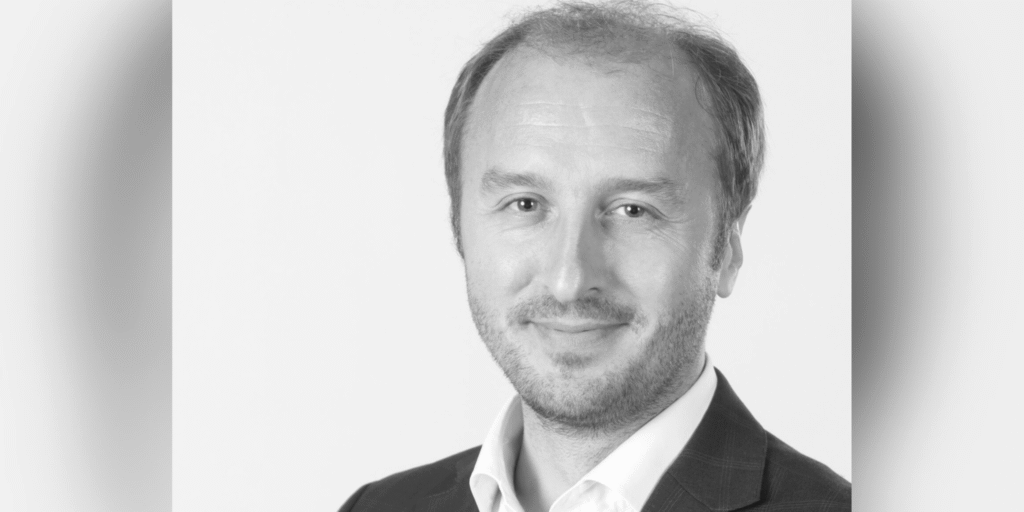
Writes: Faton Ismajli
As I was watching footage of a child reciting during the election campaign, it occurred to me that this was content created by Artificial Intelligence.
I couldn't believe that, among other things, the child was using the words: "May God kill you", "May Allah kill you", "You criminals", "Poor Kosovo".
After watching it again and listening to the voice several times, analyzing the footage, I was convinced that the video was real: a child speaking at an electoral rally in a city in Kosovo, a rally of the largest party, which in the last elections received over 51 percent of the votes and which aims to further increase its percentage in the June 7 elections.
In a few lines, a child my daughter's age was cursing and calling on God to kill the "criminals." So, if we break down the meaning of these expressions, it turns out that the child's language incites violence and hatred, which contradicts child protection standards. In this case, the responsibility does not lie with the child, who does not have the ability to understand the consequences of his words, but with the adults who expose and abuse him, risking that these words will have long-term consequences for the child himself.
These lines, this "poetry", in a normal educational system should be the subject of discussion in the subject of media education, in the unit that deals with hate speech, defamatory and offensive language, and threatening language. So, as an example of how language should not be used against each other.
Of course, the child recited without understanding the content of the words, without analyzing who he was addressing and for whom he was asking for death. The same can be said for the child's parents, who probably do not understand that their offspring had been transformed into a party's tool to attack political rivals.
The only one who knew exactly why that poem was being recited, what the message was, and what the effects were was Albin Kurti, whom the child called "Albin BABA" six times, loudly, through the microphone.
The incumbent Prime Minister, who is running to become head of government for the fourth time, knows that such an action is against the law. He knows that the complaint KLI's and other subjects will be approved and that the action will be punished by the Electoral Complaints and Appeals Panel, as the involvement of a child under the age of 15 is prohibited, as is the use of language that incites violence and hatred, that insults and defames.
FATHER does not have absolute right.
I was talking to a 6th grade student who was preparing a language and technology magazine called “Albanian.” The question he asked me regarding the campaign poem was whether a FATHER has the right to use his child for a party and to bring votes to the leader?
The answer is: NO. No, because a parent has no right to abuse their child. Under no circumstances, and even less so at an electoral rally, where laws and regulations prohibit the use of children for votes.
The negative consequences for that child can be unpredictable. From the moment they meet friends at school, with peers in the neighborhood, that child will face ridicule, stigmatization, and mockery, as the video can remain part of the internet forever.
So, it is not allowed to use a child in an electoral campaign, especially to use such language, because the right of a parent over a child is not absolute, as the state, the Assembly, and the deputies have established rules through laws that prohibit the abuse of children. Kosovo even has a special Law on the Protection of Children.
The Law on FATHER
Once, after the 15th century, in a primitive arrangement, in The Canon of Lekë Dukagjini, The right of the parent over the child was absolute. It was also known that "they could beat, tie, imprison, or even kill their son, and the canoe would not ask for a reason."
Now, fortunately, we are in a completely different situation, in a country where there is Child Protection Law, a state that voluntarily implements international conventions for the protection of children. Institutions, on their own initiative or under duress, will be obliged to act and protect children from abuse, including during electoral campaigns.
Therefore, the State has an obligation to protect children even in cases where the parent acts irresponsibly and exposes them to inappropriate contexts.
In a country where the law rules and where children's rights are respected, the next day one would expect the Center for Social Work to have taken action against the parents and assessed whether they are responsible for raising the child.
In this situation, the media, especially the mainstream media, have treated the case with dignity and have not shown the child's photo, name, or other details that could identify him. However, images continue to circulate on social media, showing the child's face, mentioning his name, and thanking the acting prime minister for the words he said.
Beyond the legal aspects, the brutal exposure of a child in an electoral campaign should serve to promote a legal debate regarding the way children's privacy is treated today in the media, on social media, in schools, in daycare centers, and on streets covered with private cameras.
Parents should also be educated that their rights are not unlimited when it comes to the privacy of their children, who may later be held accountable for having been misused for political or economic gain.
I, like most of you, may face a request from my children tomorrow to delete the photos, videos, and other content I have published on social media, as they were published without the children's consent and, consequently, could be considered a violation of their privacy. There are already cases in the EU and the US, where children have gained their rights against their parents and forced them to delete photos and videos published on social networks, precisely because of the violation of their privacy.
Faton Ismajli është profesor në Departamentin e Gazetarisë në Universitetin e Prishtinës. Pikëpamjet, qëndrimet, analizat, përfundimet dhe rekomandimet e shprehura në këtë artikull janë të autorit dhe nuk pasqyrojnë domosdoshmërisht qëndrimet apo pozicionet e Hibrid.info.