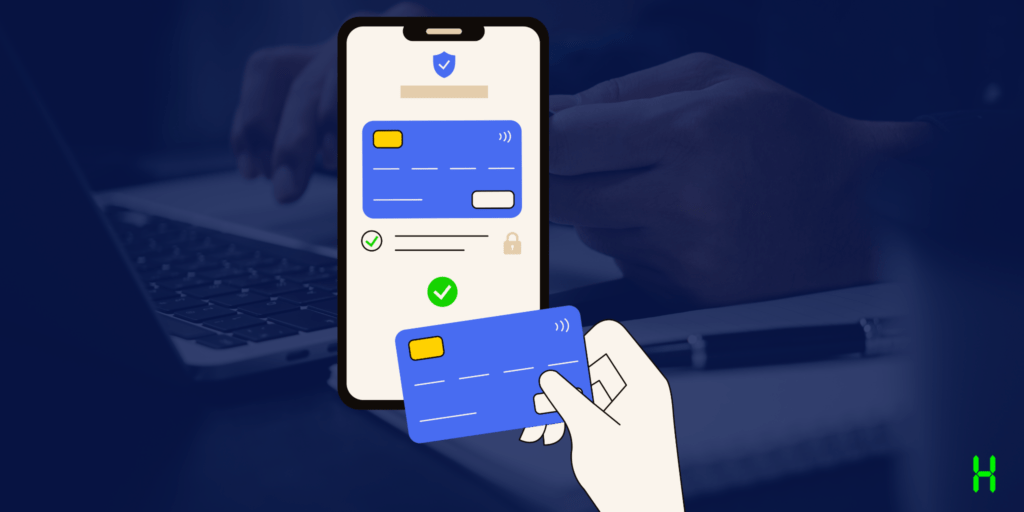

In an increasingly digitalized world, online shopping has become an integral part of everyday life. However, with the increase in shopping opportunities, comes the increase in fraud and cyber threats.
Through this article, we aim to help you understand how to identify suspicious sites and maintain your safety while shopping.
Verify the security of the website
One of the first steps you should take is to check if the website you are using is secure. It should use a secure connection (HTTPSThis is important because insecure connections (HTTP) can expose your sensitive information to cyberattacks. (see image below)
To verify whether a website is secure or not, you can use free platforms like “Scam-detector.com” or “ScamAdviser.com".
View comments and ratings related to that website
One of the easiest ways to verify the reliability of an online site is to look for independent reviews and ratings from other shoppers. If a site has a lot of positive reviews and a good history, then there is a greater chance that it is trustworthy.
However, use popular review platforms, such as Trustpilot, to get a clearer idea of that site's reputation.
Beware of unreasonable prices
One of the most important measures to avoid scams is to be careful with prices. If an offer seems too good to be true, it probably is. Scams often try to lure consumers in with very cheap offers or unbelievable discounts. Use the opportunities to compare prices on several different sites to see if it is a real offer.
Use secure payment methods
When shopping online, it's important to use secure payment methods. Credit cards are a great option, as they offer added protection against fraud.
Check product return policies
A reputable site should also offer a clear return and delivery policy. Before making a purchase, make sure to read these policies to understand how products can be returned or how you can get your money back in case something goes wrong.
Be careful with personal data.
Always answer questions about the information you provide. Do not provide excessive information, such as passport numbers or private data that is not necessary for your purchase. No trustworthy site will ask for this information for a standard purchase.