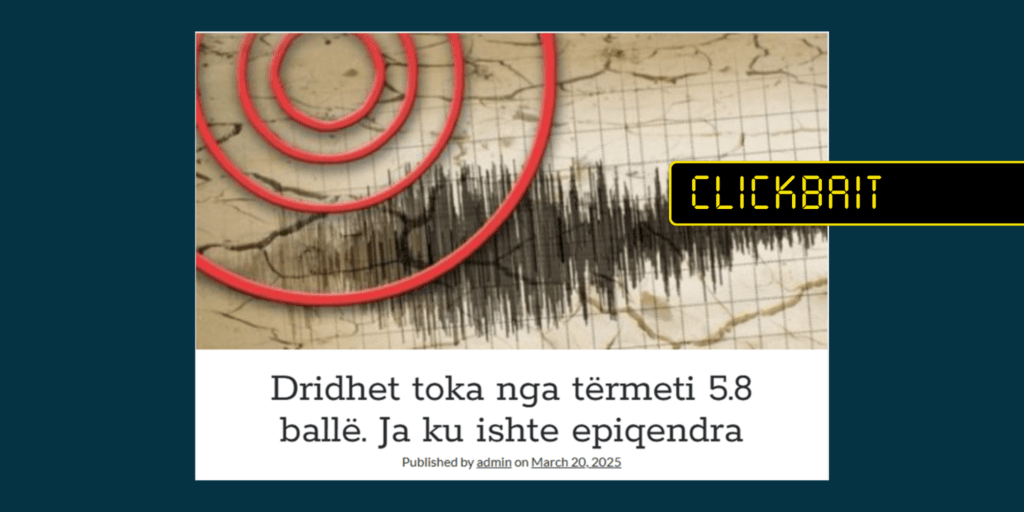

Wrote: Etrit Rexhepi
An article was published that reported on an earthquake.
The article published (March 20) by the dubious portals, "versus.al”And“miimall.com" was shared on several Facebook pages, while the article published by another dubious portal, "zilsesleri.net" was posted as a comment attached to the images, where the event was reported (see here).
What's wrong with the reporting?
Hibrid.info found that the headlines of the reports did not make it clear where the event took place.
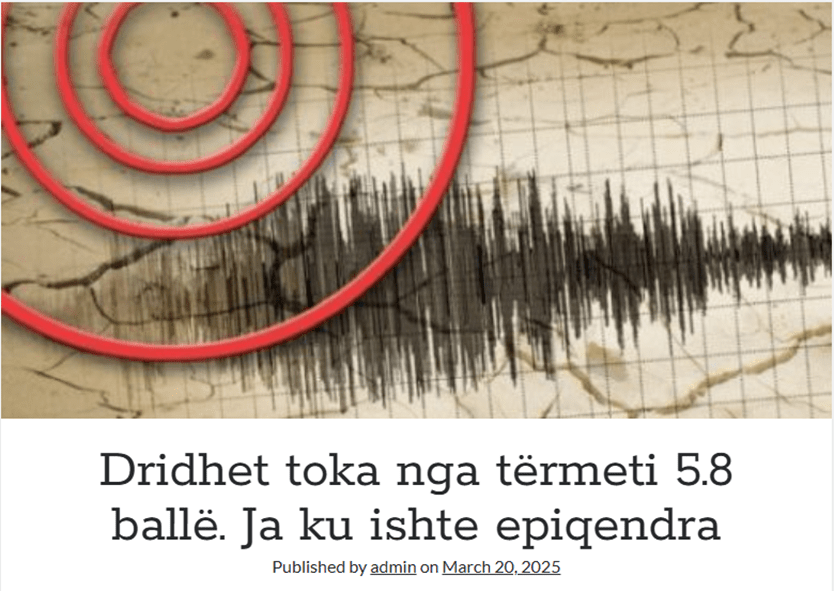
Photograph of headlines in articles
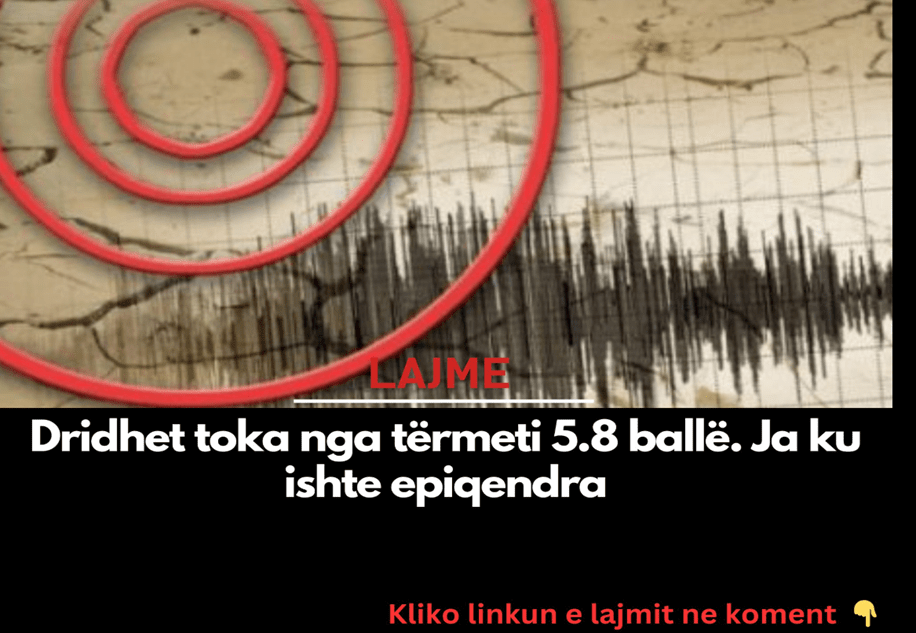
The photo where the article is attached as a comment
The location of the earthquake is indicated at the top of the article, when it says, "A 5.8 magnitude earthquake has struck Indonesia, spreading panic among residents of the area.".
Meanwhile, in the news published on the portal, "zilsesleri.net", the location of the incident is not indicated either in the title or in the content.
This news was published by dubious portals in the Albanian language, so the lack of clarification of the location of the event may leave room for the audience to read that the earthquake occurred in Albanian-speaking areas.
Analyze:
The claim about an earthquake, published by some dubious Albanian-language media, is accurate.
But the title does not clarify that the event took place in Indonesia.
Therefore, based on its working methodology, hibrid.info evaluates the content as "Clickbait".
Reasoning:
“Clickbait” is considered to be informational content whose title is general and does not disclose the location of the event, context and relevance. Such texts and articles aim to attract the attention of the audience with sensational headlines with misleading consequences, which do not accurately clarify the content of the article. “Clickbait” headlines are mainly made to attract readability in the case of media publications and/or to earn from clicks in the case of commercial publications.